The Emotional Journey of Learning to Say No and Set Boundaries
- Michelle Ellison
- Feb 26
- 3 min read

I used to believe that saying yes was the safest choice. Saying yes meant I was helpful, kind, and flexible. It made me feel needed and valued. But over time, I realized that always saying yes came with a heavy emotional cost. It drained my energy, blurred my sense of self, and left me feeling overwhelmed and resentful.
This post shares the emotional journey of learning to say no and set boundaries. It explores what people-pleasing really costs and offers practical steps to build the strength to say no before reaching a breaking point.
When Saying Yes Feels Like Safety
For many of us, saying yes feels like the right thing to do. It’s a way to avoid conflict, keep relationships smooth, and feel accepted. I thought being easygoing was a strength. I said yes to favors, extra work, social invitations, and emotional labor because I wanted to be helpful and liked.
But beneath that surface, I was constantly bending to fit other people’s needs. I swallowed my own feelings to keep the peace. I put everyone else first and called it kindness. What I didn’t see was how this pattern was wearing me down.
The Cost of People-Pleasing
People-pleasing can feel like a superpower at first. You’re the go-to person, the reliable friend, the supportive colleague. But over time, it can lead to:
Emotional exhaustion: Constantly prioritizing others leaves little energy for yourself.
Resentment: Saying yes when you want to say no builds frustration.
Loss of identity: You lose touch with your own needs and desires.
Burnout: The pressure to always be available can lead to emotional breakdowns.
I reached a point where I exploded. After years of saying yes, I finally said no in a way that surprised even me. That moment was painful but necessary.
Where It All Began
I didn’t grow up knowing I had the right to say no. From a young age, I learned to keep everyone else happy. If the people around me were okay, then I was safe. That was the logic I lived by.
This mindset made me avoid conflict at all costs. I thought saying no would make me selfish or unkind. I didn’t realize that boundaries are a form of self-respect, not rejection.
Learning to Say No Without Guilt
Changing this pattern took time and practice. Here are some steps that helped me:
1. Recognize Your Limits
Pay attention to how you feel when you say yes. If you feel drained, anxious, or resentful, it’s a sign you might need to say no.
2. Practice Saying No in Small Ways
Start with low-stakes situations. For example, decline an invitation when you don’t want to go or say no to an extra task at work when your plate is full.
3. Use Clear and Kind Language
You don’t need to over-explain or apologize excessively. Simple phrases work well:
“I can’t take that on right now.”
“Thank you for thinking of me, but I need to say no.”
“I’m focusing on other priorities at the moment.”
4. Set Boundaries Before You Reach a Breaking Point
Waiting until you’re overwhelmed makes saying no harder. Set limits early to protect your energy.
5. Remember That No Is a Full Sentence
You don’t owe anyone a long explanation. Saying no is enough.
The Strength in Saying No
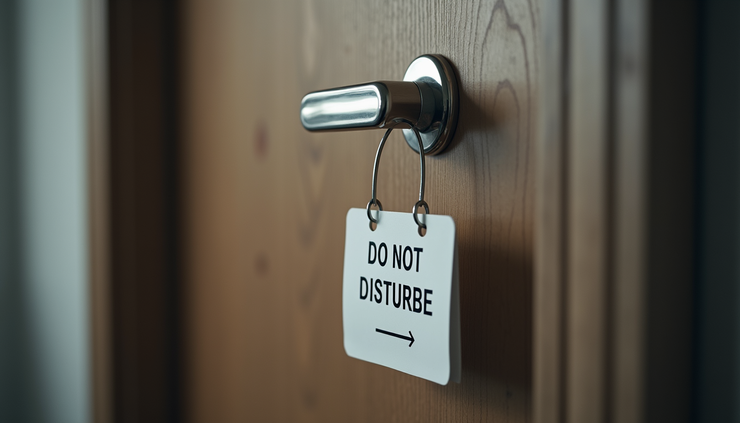
Saying no is not about being difficult or unkind. It’s about honoring your needs and creating space for what matters most. When you say no, you build respect for yourself and teach others how to treat you.
This strength is different from the old idea of being easygoing at all costs. It’s a clear, kind, and firm way to protect your well-being.
How Boundaries Improve Relationships
Setting boundaries can actually improve your relationships. When you communicate your limits clearly, you reduce misunderstandings and resentment. People learn to respect your time and energy.
Boundaries also help you show up more fully when you do say yes. You give your best to the things and people that truly matter.
Moving Forward with Confidence
Learning to say no is a journey. It takes patience and self-compassion. You might feel guilty or uncomfortable at first. That’s normal.
Keep practicing. Notice how your energy improves. Celebrate the moments when you protect your time and feelings.
Remember, saying no is a way to say yes to yourself.


Comments